

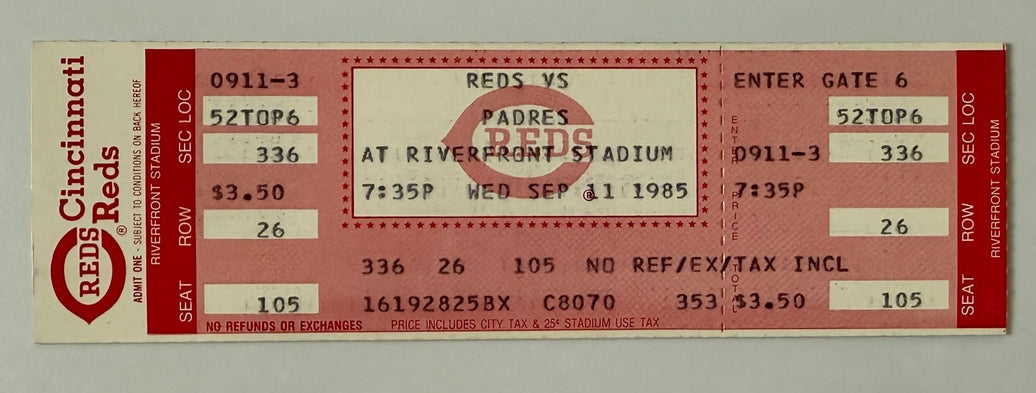
In the world of sports memorabilia, few items capture the essence of baseball history quite like a World Series ticket stub. Unlike regular season tickets, which commemorate a single game in a long marathon of 162, a World Series stub represents a moment on baseball’s grandest stage — when everything is on the line and legends are born. These small pieces of cardstock, once torn at the gate and tucked into pockets, now stand as artifacts of triumph, heartbreak, and immortality.
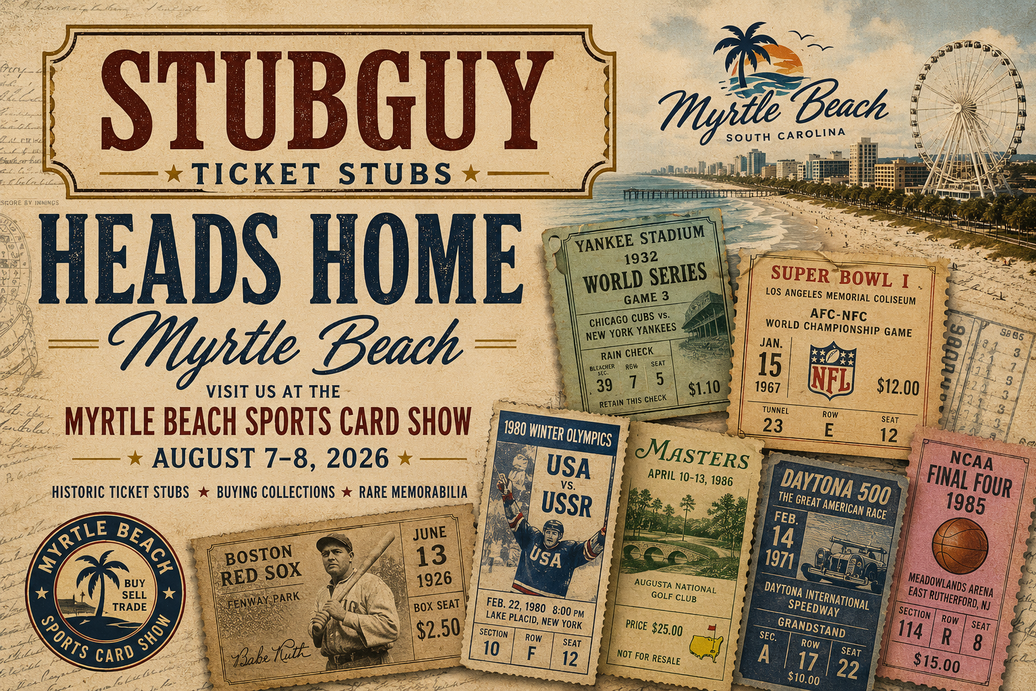
What makes a World Series stub so distinct as a collectible is its gravity. Every inning in October carries the weight of an entire season’s effort. Each ticket holds the potential for a memory that will echo through generations. The design alone often mirrors the spirit of its era — vintage typography and team logos from the 1920s and 1950s have become pieces of baseball art, while modern stubs carry the sleek sophistication of today’s championship pageantry. But it’s the stories behind them that truly elevate their value.
Consider Game 5 of the 1956 World Series: Don Larsen’s perfect game for the New York Yankees against the Brooklyn Dodgers remains one of the most hallowed achievements in sports history. A stub from that day isn’t just a ticket — it’s a link to perfection itself. Or think of Game 6 of the 1975 World Series, when Carlton Fisk famously waved his home run fair in the Fenway night. That stub represents one of baseball’s most enduring images of emotion and willpower.
For collectors, assembling World Series stubs is like curating the soul of the game. Each one tells a story of glory, heartbreak, and human drama — tiny windows into baseball’s most timeless moments.













Leave a comment